Pain rests at the crossroads of scientific research and humankind. Any person that has hung around in an emergency department at 3 a.m., staffed a busy ward round, or run a rehab facility recognizes the weight of that single concern, "How much pain are you in?" Excellent discomfort treatment is not a solitary ability, it is a layered technique that mixes analysis, pharmacology, procedures, psychology, rehab and values. Accreditation aids clinicians structure those layers, prove proficiency, and work even more safely throughout settings. It can additionally open doors: innovative functions, range expansion, and the reputation to influence methods and teach colleagues.
This guide goes through one of the most beneficial pain management training pathways, including short training courses, certification programs, and extensive pain monitoring qualification. It clarifies exactly how to choose the right program for your function, what to get out of the curriculum, and useful steps to enlist without derailing your week-to-week medical job. I weave in examples from technique and present criteria, and I will reference both wide global options and specific niche modules such as puaeme008 provide discomfort management, which lines up with emergency situation treatment units.
What pain administration certification confirms-- and why that matters
Most persistent and sharp pain discussions are not resolved by a single order set. A qualified pain management certification demonstrates that you can do 4 points accurately. Initially, evaluate discomfort properly with confirmed actions and the appropriate clinical judgment for age, culture, and medical diagnosis. Second, pick and titrate pharmacologic treatment with an understanding of multimodal analgesia, tapering, and the distinction between reliance and an use disorder. Third, integrate non-drug strategies like cognitive behavior strategies, rated movement, and interventional options when indicated. Fourth, interact threats and assumptions truthfully, especially around opioids and procedures.
Employers expect these expertises because they equate into fewer adverse occasions, shorter size of stay in surgical paths, and better practical end results in rehabilitation. Registered nurses who full pain management training for nurses commonly end up being anchors for ward-based QI tasks, like reducing time to first analgesia. Physiotherapists that complete discomfort administration courses for physiotherapists are better at identifying central sensitization and pacing rehab properly, which avoids obstacles. Physicians with detailed discomfort management accreditation tend to lead opioid stewardship and procedural services.
Types of pain monitoring training courses and who they suit
The market ranges from two-hour micro-credentials to multi-month certification training course in pain monitoring programs with analysis and proctored exams. Choosing the appropriate degree depends on https://squareblogs.net/carinewwtt/supply-pain-administration-satisfying-puaeme008-expertise-needs your standard skills, regulative setting, and the patients you see.
Short programs in pain administration are practical for medical professionals who require targeted updates. A surgical ward could prioritize acute post-op analgesia and risk-free ketamine protocols. A community physio could focus on discomfort neuroscience education and learning and rated exposure. Short courses hardly ever alter legal range of technique, however they load voids fast.
A discomfort management certificate program or discomfort management accreditation program, generally forty to one hundred hours with cumulative evaluation, matches clinicians who desire organized development. These programs usually bundle pharmacology, interventional basics, mental approaches, and situation discussion. Completing one can please continuing professional development demands and, in some areas, qualify a clinician for broadened duties within a service.
Pain management training programs certain to discipline make the finding out stick. Discomfort management training courses for registered nurses pierce triage, protocolized analgesia, opioid conversions, patient-controlled analgesia (PCA) troubleshooting, and communication under stress. Pain administration training for registered nurses commonly consists of pediatric and geriatric considerations, which are high-stakes domains. Discomfort administration programs for physio therapists emphasize differential medical diagnosis, movement-based desensitization, graded motor images, and end result measurement that catches function instead of just pain scores.
Emergency discomfort administration is its very own language. Pre-hospital and ED teams gain from modules like puaeme008 supply pain administration, an outcomes-focused system made use of in some proficiency frameworks that trains medical professionals to prepare and provide analgesia safely in immediate circumstances. These skills are not scholastic. They turn up when you are delivering intranasal fentanyl to a child with a lower arm fracture, or fixing poor alleviation after a femoral nerve block in an older individual with a hip fracture.
Core educational program: what strong programs actually teach
Curriculum should comply with the client journey, not a book index. In practice, great programs cover the fundamentals and force application under supervision or instance review.
Start with evaluation. A program that treats the numerical score range as the entire tale is unworthy your time. Better training courses show multi-dimensional evaluation: numerical scales, practical goals, behavioral signs for non-verbal individuals, neuropathic pain screens, red flags for ominous reasons, and the subtleties of intense on persistent presentations. Registered nurses find out to find opioid-induced hyperalgesia masquerading as under-treatment. Physio therapists discover to separate nociceptive load from fear-driven evasion. Physicians find out to equate history right into mechanism-based differential diagnosis.
Pharmacology requires more than application tables. The strongest training walks through multimodal techniques, as an example combining acetaminophen, NSAIDs, gabapentinoids, and low-dose ketamine with regional anesthesia. It likewise drills right into negative result management, kidney and hepatic modifications, and careful opioid initiation and turning. Programs should cover tapering approaches with timelines, not simply "go slow-moving." A pain management accreditation that prevents the topic of opioid stewardship is not credible.
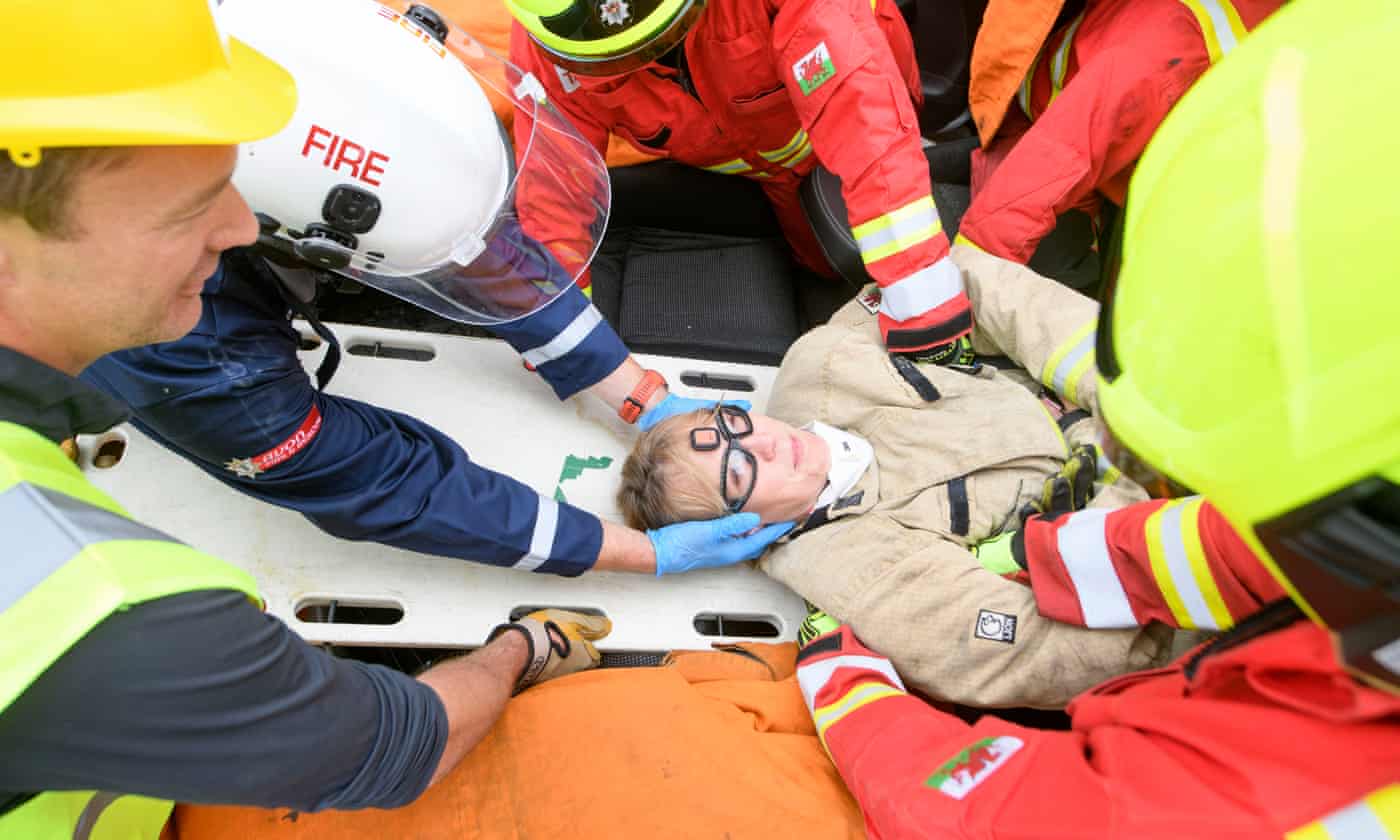
Procedural exposure issues. Also if you will certainly not carry out treatments, recognizing indications and contraindications for trigger factor shots, peripheral nerve blocks, epidurals, and radiofrequency ablation forms your referrals and expectations. Emergency situation pain administration modules often include hands-on experiment landmark-guided fascia iliaca and ultrasound-guided nerve blocks. In my experience, a well-taught nerve block can be the distinction in between a distressed older grown-up and a stable, participating person waiting for surgery.
Rehabilitation and psychology are not "additional." A program that incorporates cognitive behavioral therapy principles, approval and dedication therapy methods, and rated direct exposure will certainly transform just how often you see a client return to the ED. Discomfort monitoring courses for physiotherapists should include pain neuroscience education and learning that clients can understand. A specialist that can clarify why hurt does not always equal harm can restrain the spiral of immobilization and deconditioning.
Communication skills are entitled to specific mentor. Reviewing uncertainty, danger, and realistic timelines for chronic pain is hard, and it forms outcomes. Solid programs consist of simulated seek advice from inspirational interviewing techniques and instruct just how to establish functional goals instead of chasing after no pain.
Finally, dimension and high quality renovation connect all of it with each other. You must leave a training course prepared to track results such as time to analgesia, PCA mistake rates, or percentage of chronic reduced back pain clients with recorded practical goals. Qualification ends up being tougher when you can verify impact.
Recognized certificates and common providers
Different areas use different accrediting bodies. Search for programs backed by a college, a professional college, or a highly regarded health and wellness education and learning company. Many countries supply a postgraduate certification training course in pain monitoring with clinical or nursing institutions. These frequently competed 3 to 6 months with a mix of self-paced components and live situation discussions. Allied health universities host discomfort management training programs that align with their competency structures, sometimes nested within musculoskeletal or neurorehabilitation streams.

Hospitals with solid anesthetic or rehab divisions in some cases supply discomfort administration course options connected to internal methods. If you work in such a system, an interior program can be the fastest route to practice change, because you learn on the equipment and pathways you will in fact use.
Within emergency treatment, puaeme008 supply discomfort monitoring appears in expertise catalogs that stress immediate, secure analgesia distribution. It is fit to paramedics, ED registered nurses, and urgent treatment clinicians that need to show sensible proficiency of dosing, tracking, and paperwork under time pressure.
Online learning has actually grown up. The most effective discomfort management courses currently make use of situation vignettes, tele-simulations, and discussion boards regulated by real clinicians. Purely video-only talks without application hardly ever stick. Hybrid layouts with local teachers, also informally organized, produce much better technique change.
How to veterinarian a pain monitoring qualification prior to you commit
Credentials are only like the learning behind them. I make use of a basic filter. Initially, faculty. Do they release, instruct clinically, and still see people? An equilibrium of anesthesia, rehab, psychology, and nursing faculty develops healthier dispute and even more practical responses. Second, evaluation. A discomfort monitoring accreditation course must evaluate application, not trivia. Look for case-based tests, OSCE-style evaluations for treatments, and graded assignments with comments. Third, time on task. Programs claiming mastery in a weekend are aspirational at best. Forty to sixty specialized hours with organized method is a realistic minimum for meaningful development throughout domains.
Fourth, fit. Discomfort monitoring training for registered nurses must mirror your technique setup. If the curriculum thinks a tertiary center with block rooms and overnight pharmacologists, it may not equate to a tiny medical facility without those resources. Fifth, assistance. Ask about advisor accessibility, office hours, and post-course communities. The concerns that matter most tend to appear three weeks after the last webinar when you satisfy an edge case.
If a program consists of puaeme008 give discomfort management, confirm alignment with your regional drug authorities and procedures. For instance, intranasal fentanyl doses, ketamine mixture policies, and scope for nurse-initiated analgesia vary by territory. A great provider will map their proficiencies to local requirements or offer region-specific addenda.

What registration really looks like
Most suppliers accept applications on a rolling basis. You will send a license, a CV, and occasionally a quick declaration of practice goals. University-backed certificate programs might ask for transcripts. Brief courses generally enlist straight with settlement and an attestment that you hold the pertinent clinical role.
Expect clear requirements. Discomfort management courses for physiotherapists might call for previous bone and joint or neuro components. Discomfort management training for nurses often calls for present registration and a defined minimum medical experience, for example six to twelve months. Emergency pain monitoring modules like puaeme008 offer discomfort monitoring normally listing important pre-reads and need hands-on participation for skills assessment.
Schedules vary. Some programs offer night webinars, others run weekend intensives. Crossbreed training courses may cluster hands-on sessions every couple of weeks. If you are in shift work, ask very early concerning taping gain access to and make-up evaluations. The majority of providers are functional concerning the facts of healthcare schedules.
Costs vary commonly. Short online modules may cost a few hundred dollars. Comprehensive discomfort administration certification programs can range from 1,000 to 4,000 USD matching, relying on credentialing and contact hours. Consider time for assessments and any on-site days. Several medical facilities repay discomfort administration training if you can reveal relevance to your unit's objectives, such as post-op pathways or chronic discomfort solution development.
A grounded summary of the very best course archetypes
The best program for you depends upon the troubles you are attempting to address. When my orthopedic service wanted to reduce time to first analgesia in severe cracks, we purchased emergency pain monitoring training with an ultrasound-guided nerve block workshop. When our outpatient facility struggled with consistent reduced pain in the back bounce-backs, the physiotherapy group completed a certification course suffering management with a heavy focus on pain neuroscience and graded exposure. Both actions yielded measurable modification within 3 months.
For generalists in health care or health center medication, I advise an organized pain administration accreditation paired with a numbing stewardship component. Generalists require to understand practical taper strategies, the lawful landscape of opioid arrangements, and when to rise to interventional or behavior associates. Seek programs that show danger mitigation without fear-mongering, which address comorbidities such as sleep apnea and depression.
For nurses on surgical and clinical wards, pain monitoring training for registered nurses that includes PCA monitoring, opioid conversion, naloxone methods, and geriatric pain evaluation makes daily job much safer. Attachments in ecstasy management and communication with families reduce rubbing throughout rounds.
For physiotherapists, select pain administration courses for physiotherapists that educate testing for severe pathology, central vs peripheral drivers, and that supply scripts and visuals for individual education and learning. The most effective ones press you to capture function through certain, measurable objectives linked to task, not just symptom diaries.
For ED and pre-hospital groups, emergency situation discomfort monitoring modules that incorporate puaeme008 provide pain monitoring, IN fentanyl protocols, ketamine analgesia, and local anesthesia essentials can transform throughput and client satisfaction. Highlight documentation and tracking criteria. If your service adopts fascia iliaca blocks, your hip fracture path becomes smoother overnight.
What a common week inside an excellent program really feels like
You will certainly check out, see, and after that attempt. A Monday might begin with a lecture on acute pain paths after cells injury, followed by a situation vignette doubting whether to include a gabapentinoid for a person with rib fractures. By Wednesday, you have a small seminar on opioid turning, forced to calculate morphine milligram matchings and adjust for renal problems. Thursday brings a skills session where you exercise ultrasound recognition of femoral nerve spots, with a professor that disrupts your approach till your comfort designs and needle monitoring are risk-free. Over the weekend, you write a short representation on a recent client where pain and fear tangled together, and you map a plan to deal with both motifs on the next visit.
The analysis does not feel abstract when it mirrors your center. One of my favored projects called for bookkeeping 5 successive post-op patients: time to first analgesia, antiemetic use, and whether useful goals were recorded. The searchings for, not the grade, drove our group conference and later a method change.
Key pitfalls and how to stay clear of them
A program can look glossy and still dissatisfy. I have seen programs with best branding and slim web content. Look for warnings. Overemphasis on a single technique, like shots or a solitary medicine class, is a sign of predisposition. Avoid anything that guarantees fast fixes for persistent discomfort. A course that overlooks rest, mood, and activity in persistent discomfort is incomplete.
On the other side, avoid programs so academic that application and surveillance barely appear. If a component can not inform you the risk-free range for ketamine analgesia mixtures, or exactly how to change hydromorphone in renal disability, you will be underprepared genuine patients.
Scope creep is another catch. Discomfort management qualification does not bypass your legal technique limits. Excellent training instructs collaboration, not lone-wolf practice. For instance, a registered nurse might end up being specialist in analysis and protocolized initiation under standing orders, but still partners with prescribers for rises. A physiotherapist can understand discomfort education and graded exposure without entering medication management.
How to sign up, tip by step
- Clarify your goals. Create a short declaration of what issues you wish to solve or what role you intend to turn into. This anchors your selection between short training courses hurting monitoring and a wider discomfort management certification. Shortlist service providers. Consist of at the very least one university-backed certificate program hurting monitoring, one discipline-specific choice, and one emergency situation discomfort management component if appropriate. Check for accreditation and faculty experience. Map the logistics. Compare routines, called for on-site days, evaluations, and costs. Confirm fit with your shift patterns and leave calendar. Secure assistance. Ask your manager about funding and research study time. Link your request to service metrics, such as minimizing unchecked pain ratings or improving discharge readiness. Apply and prepare. Submit your records early, complete any kind of pre-course readings, and organize professional circumstances where you can apply brand-new abilities under mentorship.
That sequence maintains energy. Several clinicians delay at step 2 when faced with way too many options. If you establish a deadline for picking and loop in your supervisor for assistance, registration moves quickly.
Examples obviously blends that operate in the genuine world
In a regional health center with minimal accessibility to anesthesia-led nerve blocks, our ED group purchased an emergency situation discomfort monitoring package that included puaeme008 provide pain monitoring, a half-day ultrasound workshop, and procedure rollouts for IN fentanyl and ketamine analgesia. We paired that with a nurse-led audit of time to first analgesia. Within 8 weeks, average time to analgesia stopped by nearly 40 percent, and patient grievances about unmanaged pain fell.
In a multidisciplinary pain facility, the physiotherapy and nursing groups completed identical discomfort monitoring courses tailored to their duties. The physio therapists concentrated on graded direct exposure and motor images. The nurses focused on opioid stewardship, PCA troubleshooting, and interaction methods for clients discouraged by slow development. We included a common component on inspirational speaking with. The center began recording function-based outcomes regular monthly and saw a meaningful bump in return-to-work rates across 6 months.
In primary care, a little team of GPs and a scientific pharmacologist took a discomfort administration accreditation course with each other. The pharmacist led drug evaluations and taper plans, while the GPs focused on differential diagnosis and reference thresholds for interventional pain consults. They developed a shared theme that captured objectives, sleep, mood, and flare-up plans. This little operational modification reduced unscheduled visits for chronic musculoskeletal discomfort in their practice.
How to keep abilities fresh after you certify
Certification is a photo. Practice develops. Establish a tempo for refresher courses. Each year, take another look at opioid plans and keeping an eye on requirements, since policies and evidence shift. Every quarter, run a tiny case conference where you divide one success and one failing. If you learned local anesthetic, timetable oversaw practice sessions until your variety of secure, effective blocks surpasses a threshold that you and your service define.
Teaching maintains you sharp. Offer to lead a huddle on discomfort assessment in non-verbal people, or run a micro-teach on identifying opioid-induced hyperalgesia. Couple with a coworker from an additional technique to co-teach. You will identify your own dead spots in the process.
Track one metric that matters to your system. Time to first analgesia, percentage of patients Click for more with documented useful objectives, or rate of unintended returns for discomfort flares are all genuine. Renovation is much easier to maintain when you can verify it.
Where search phrases fulfill practice
If you are scanning course magazines, you will see many variations on the very same motif: pain management training, pain monitoring courses, pain administration certification, and discomfort management accreditation training course. The label matters much less than the structure and evaluation. For nurses, prioritize discomfort management training for registered nurses that mirrors your populace, such as pediatric medicines, oncology, or geriatrics. For physiotherapists, look for discomfort monitoring programs for physiotherapists that stabilize neuroscience education and learning with sensible rated task and exposure methods. If your function includes triage and urgent treatment, seek emergency situation discomfort administration components or those that explicitly consist of competencies like puaeme008 provide discomfort monitoring. Short training courses hurting management can plug expertise voids rapidly, while a complete certificate training course hurting administration combines cross-disciplinary skills and signals commitment to your job trajectory.
Final ideas from the facility floor
Good discomfort treatment really feels calm and methodical, even when the division is loud. Assessment is deliberate. Dosages are planned. Motion is motivated. Assumptions are clear. Accreditation does not ensure that sensation, however it lays the tracks. The ideal pain administration training course, selected for your duty and your clients, gives you language, strategies, and self-confidence. You will certainly still meet side instances that stretch you. That becomes part of the job. If you maintain finding out, team up throughout self-controls, and measure your effect, your patients will feel the distinction long prior to a certificate appears on your wall.